Seems like many literary critics have a bone to pick with the term "post-colonial." A post on Emily's blog prompted me to read this Paul Brians article on the term's inadequacies. Even in my post-colonial (with the hyphen or without? that's what I'd like to know) literature class, Professor Dzaka references the label's inability to include and span, the numerous cultures to which it literally implies. That is, if we were to pare the word down to its nitty-gritty, technical semantics, we'd have to admit that even our Northern American literature is "post-colonial:" we had colonies, now we don't. We were colonized - well, the Brits controlled our colonies? - and now we aren't.
(Ok, not the same thing, many argue. Still, the point stands.)
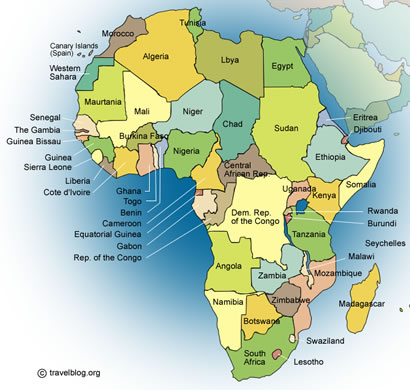
Yet, as our somewhat comprehensive literary swoop has demonstrated, most postcolonial literature involves India, the African continent, the Caribbean islands, and parts of Asia. 1) As if colonialism is over in these locations. To which Brians, like many other critics, challenges "What about neocolonialism?" and 2) As if an entire era of literature is Eurocentric.
This is Brians' point, not mine. He writes, "it can be argued that this way of defining a whole era is Eurocentric, that it singles out the colonial experience as the most important fact about the countries involved. Surely that experience has had many powerful influences; but this is not necessarily the framework within which writers from--say--India, who have a long history of precolonial literature, wish to be viewed."
Perhaps this is what writers like Ngugi hope to preserve: a sense that their colonization did not - does not - define their national literary identity. Not all African literature is "postcolonial." Nor is it either "precolonial" and "postcolonial." Even if Kenyan universities were to study African literature, studying African literature through English lenses - always in reference to the English dominance or lack of dominance - would be "Eurocentric."
So how do literary scholars - particularly Euro-descending scholars - study this undoubtedly important era in literary history without limiting formerly-colonized nations to Euro-referencing works? How do we allow formerly-colonized nations their own literary identities?
By legitimizing works written in native tongues (rather than a 'standard' English)?
By valuing themes of rebellion against oppressive forces as indicative, over all else, of "postcolonialism"?
Perhaps, as overseas business furthers neocolonialism, we'll need to revisit and revise our current nebulous definition of post-colonial literature.

No comments:
Post a Comment